Invited Speakers
Welcome to the 2026 International Symposium on Dental Hygiene!
Our theme, Oral and General Health – Prevention & Progress, focuses on the journey of health from childhood through old age.
The Invited Speakers bring deep insight into the “Prevention & Progress” required at every milestone, covering topics from cariology, tobacco use to systemic health links. In today’s shifting workplace, your role as an oral health professional is more critical than ever.
We are confident that the knowledge shared here will empower you and highlight the essential nature of the work you do.
The Invited Speakers are chosen because of their expertise and backgrounds in topics of interest.
They are recommended by members of the International Scientific Committee, evaluated through a non-biased process, and approved by the IFDH Board of Directors.
As the “headliners” of the International Symposium, their presentations truly elevate our professional knowledge.
On behalf of myself and the IFDH Board of Directors, we thank these dedicated professionals who are willing to share knowledge and enhance our professions. We also thank the International Scientific Committee for their diligent work and gift of time.
As Francis Bacon said, “Knowledge is Power.”
We hope you enjoy all the Invited Speakers’ programs and feel the power of knowledge after participating in their sessions!
#Upward!
With Gratitude and Best Regards,
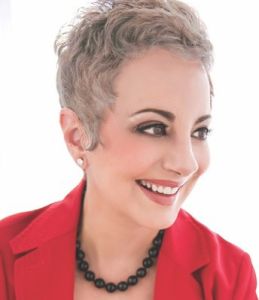 Jill Rethman, RDH, BA, FADHA
President, International Federation of Dental Hygienists
Andrea Butera
Stefano Checchi
Filippo Graziani
Giulia Montemezzo
Marisa Roncati
Scilla Sparabombe
Leonardo Trombelli
Mohamed Aljneibi Wedad Juma
Eveline van der Sluijs
Jeanie Suvan
Janet Kinney
Marie-Laure Grandjean
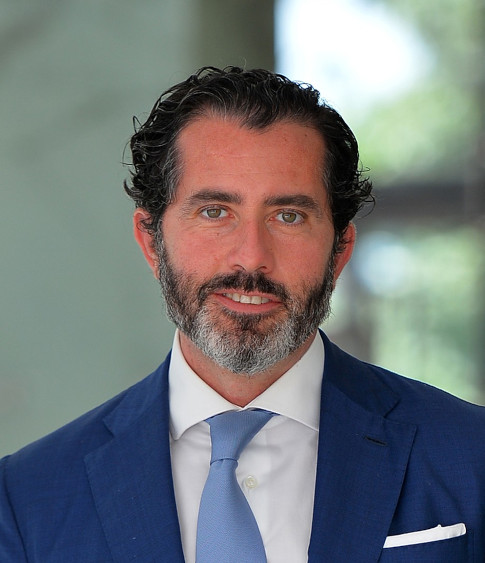
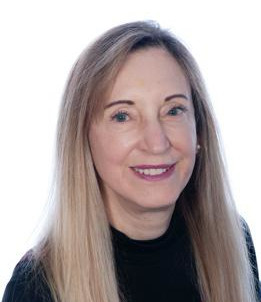
Jeanie Suvan
Honorary Senior Lecturer at University of Glasgow Dental School and Honorary Clinical Lecturer, University of Siena, Italy and GDC Fitness-to-Practice Panelist

Filippo Graziani is Full Professor of Periodontology of the University of Pisa (Italy). At the present is also Visiting Professor in Periodontology at UCL of London (Eastman Institute) and Honorary Professor at the Faculty of Dentistry, Hong Kong. His clinical activities are fully dedicated to Periodontology and he runs his private practice limited to periodontology.
He obtained his DDS in Pisa and then a PhD in Oral and Maxillo-Facial Surgery. He gained the Mastership in Periodontology at the Eastman Dental Institute of London. He also holds a Master in Clinical research and an Oral Surgery Specialty.
He is the Past President of the European Federation of Periodontology and past chairman of the European Project Committee of the European Federation of Periodontology.
His research activities focus on periodontal surgical treatment and periodontal medicine. He achieved grants for millions of euros and created more than 20 research positions throughout the years.
He published more than 170 scientific manuscripts in impacted factor journals. Reviewer of numerous scientific journals and member of the Editorial Board of the Journal of Clinical Periodontology.
He was awarded in 2013 with Earl Robinson Award for Periodontal Regeneration of the American Academy of Periodontology, in 2015 with the Clinical research -Jaccard Prize of the European Federation of Periodontology, in 2017 the Goldman prize of the Italian Society of Periodontology and Implantology, in 2024 the International Prize of the French Society of Peridontology and Implantology. He won numerous research grants from institutional and private companies to run his research activities.
He is the founder of Periocampus (www.periocampus.com), a new way of teaching Periodontology and editor of the Periocampus Herald. He is also founder of a fully dedicated periodontal clinic: Parocentro using his clinical protocols (www.parocentro.it).
He founded Bee Queen 33, a start-up focusing on health communication and supporting dentists worldwide in creating and developing their communication and marketing (www.beequeen.it/en). This allowed to create a project to support any practice in developing periodontology with the system Bioperio ( www.bioperio.it) .
Jeanie achieved her dental hygiene qualification at the University of Alberta, Canada. Following work in clinical practice and teaching, she moved to the Department of Periodontology, University of Bern, Switzerland, beginning her research activities. After an MSc at the University of Oxford in Evidence Based Healthcare, she completed a PhD in Clinical Dentistry investigating obesity and periodontitis at UCL and more recently, an LLM in Medical Law and Ethics at University of Edinburgh. For many years Jeanie was involved in patient care, post-graduate teaching and clinical research at UCL Eastman Dental Institute Unit of Periodontology where she was Associate Professor and Director of the MSc Dental Hygiene Programme. Her most recent roles include part-time Honorary Senior Lecturer at University of Glasgow Dental School and Honorary Clinical Lecturer, University of Siena, Italy and GDC Fitness-to-Practice Panelist.
“Growing Together: The Transformative Power of Co-Mentoring in the Journey of a Dental Hygienist and Periodontist”
Join this dynamic and interactive session where two experienced clinicians and educators share their personal journeys through the world of mentoring. This isn’t just theory but rather real stories from the trenches, exploring both the struggles and triumphs of developing clinical and scientific excellence through meaningful mentoring relationships. The speakers will examine how mentoring transforms both parties: how mentors sharpen their own expertise while mentees unlock capabilities they didn’t know they had. common challenges will be addressed, from navigating complex discussions to knowing when to guide versus when to let mentees problem-solve independently. The audience will leave with inspiration to create a culture where collaboration thrives, experience is valued, and technical potential is unleashed. Whether you’re a mentor, mentee, or simply curious about elevating clinical performance and building stronger professional relationships, this session offers practical wisdom that can be put into action.

Stefano Checchi
Teaching Assistant for the Dental Hygiene Degree Program at the University of Turin

I was born in Bologna, Italy, on the 27th November 1975. I achieved my first diploma degree as a dental technician in Bologna and then I dedicated my study to Medicine for two years, and then to Dental Hygiene. On March 2000 I achieved my Laurea degree in Dental Hygiene at the University of the Study of Bologna. I spent my professional life as a freelance clinician in several private clinics and as a communication and training & education consultant for many international companies. Passionate about teaching and lecturing, I had the chance to work as a tutor at the University of Bologna and I am currently a teacher at the University of the Study in Torino, Dental Hygiene course. I am still lecturing both at national level and abroad, covering topics of Dental Hygiene interest. During the last 10 years I had the privilege to represent my country as a Delegate in the European Dental Hygiene Federation and also covered the EDHF Secretary role for two terms. At national level I am a board member of AIDI, the Italian Dental Hygienist Association, and together with many colleagues we work for the development of the DH profession. Together with my wife, who is also a Dental Hygienist, we own a Dental Hygiene office in Torino, the city where we live in Italy. I live with my wife, my son and my daughter in Torino; we love traveling, meeting people and exchanging experiences.
“Early detection, bettere intervention: The revoluton of modern cariology.”
The proposed presentation focuses on clinical cariology, emphasizing the practical application of current knowledge about carious pathology. It will address the assessment of individual caries risk, the identification of early signs and symptoms through diagnostic processes supported by new instrumental and AI technologies, and the accurate definition of personalized prevention, treatment, and support needs. Particular attention will be given to preventive and therapeutic clinical procedures, especially early intervention strategies. Theoretical content will be reinforced by clinical evidence and real-life experiences, demonstrating how scientific knowledge can be effectively translated into everyday clinical practice.
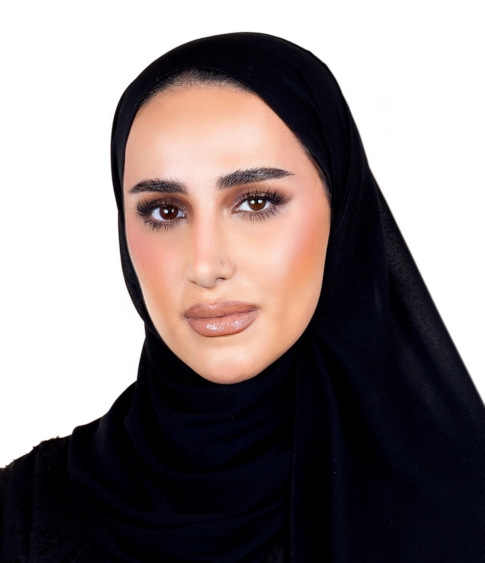
Mohamed Aljneibi Wedad Juma
RDH, BSDH, MLHPE ,CPXP ,CCC
Head of the Dental Hygiene Department and Graduate Medical Education (GME) Health Systems Science (HSS) Core Faculty, Dubai Health
Board Member, Emirates Dental Hygienist Club

Wedad Aljneibi is a Dental Hygienist with over 10 years of clinical and educational experience in preventive, periodontal, pediatric, and special needs oral healthcare. She holds a Bachelor of Science in Dental Hygiene and a Master’s degree in Leadership in Health Professions Education. Actively engaged in Health Systems Science, Wedad has designed and delivered advanced educational initiatives for dental hygienists, including hands-on training in local anesthesia and periodontal management. She has led and contributed to awareness campaigns aimed at improving access and quality of care for pediatric and special needs patient groups. She is a Certified Patient Experience professional and a Certified Cognitive Coach, with a strong interest in patient-centered care, special needs oral healthcare and quality improvement.
“Small Patients, Big Care: Prevention and Care in Paediatrics and Special Care.”
This session highlights the importance of delivering individualized, prevention-focused oral healthcare for paediatric patients and individuals with special needs. Emphasis is placed on a comprehensive assessment that considers age, cognitive development, medical conditions, and emotional and social factors. The presentation explores adapting oral hygiene tools, tailoring communication strategies, and actively involving families as partners in care. A proactive, multidisciplinary approach is presented, integrating education, behavioural support, personalised prevention, and continuous monitoring. By shifting the focus beyond curative treatment to holistic and preventive care, dental professionals can promote cooperation, autonomy, and long-term oral health outcomes for small patients with diverse needs.
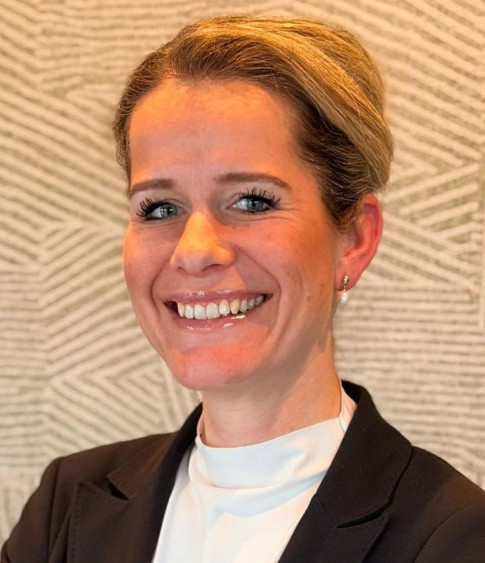
Eveline Van der Sluijs
Department of Periodontology, Academic Centre for Dentistry Amsterdam (ACTA), a joint venture between the Faculty of Dentistry, University of Amsterdam, and the Faculty of Dentistry, Vrije Universiteit Amsterdam, The Netherlands

Dr. Eveline van der Sluijs BoH, MSc. PhD is a dental hygienist with a Master and a PhD affiliated as Assistant Professor at the Department of Periodontology at ACTA. She is actively involved in postgraduate dentist specialist training in periodontology, supervising clinically in advanced non-surgical periodontal therapy. Lecturing the dental students on periodontology and selfcare. Supervises bachelor, master and PhD thesis’s and treat patients in the periodontology staff clinic and the specialized halitosis clinic. She is a board member of the International Journal of Dental Hygiene and internationally recognized for her expertise in the diagnosis and evidence-based management of halitosis.
.
“Halitosis Has a Bad Smell: causes, clues and solutions.”
Halitosis is a common yet underreported and socially sensitive condition. It can have significant consequences for patients’ oral health, psychosocial well-being, and professional functioning. Given its impact on health and quality of life, halitosis is a clinically important condition that needs attention.
This session will focus on the evidence-based assessment, diagnosis, and management of halitosis, combining scientific findings with clinical expertise. Practical tools will be shared to optimize outcomes and improve the quality of care for patients affected by halitosis.
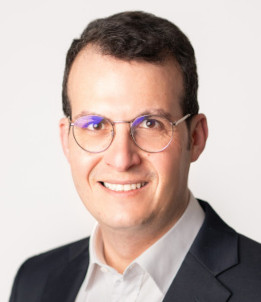
Andrea Butera
Unit of Dental Hygiene, Section of Dentistry, Department of Clinical, Surgical, Diagnostic and Pediatric Sciences, University of Pavia, 27100 Pavia, Italy
Andrea Butera graduated in Dental Hygiene from the University of Genoa in 2009. He obtained a Master’s Degree in Technical Healthcare Professions in 2011 and an International PhD in Health Sciences from UCAM University of Murcia and the University of Pavia in 2021. In 2024, he achieved the National Scientific Qualification as Associate Professor. He is Director of Educational Activities for the Dental Hygiene Degree Program at the University of Pavia, where he also holds a research fellowship. He is a contract professor, author of numerous scientific publications, editorial board member of international journals, speaker at national and international conferences, and recipient of the Sunstar European Award of Distinction 2024 and the IFDH Innovation Award 2025.
“Digital advances in oral Tissue care”.
The management of oral tissues during adolescence is an evolving clinical challenge in which prevention and digital innovation play a central role. Oral microbiota analysis provides new opportunities to understand the biological mechanisms underlying the most common oral diseases and to personalize preventive strategies. This presentation focuses on the role of the dental hygienist in integrating clinical assessment, microbiological data collection, and digital tools supported by artificial intelligence. Through this approach, the dental hygienist contributes to early diagnosis, the development of tailored maintenance protocols, and long-term monitoring of oral tissue health in adolescent patients.
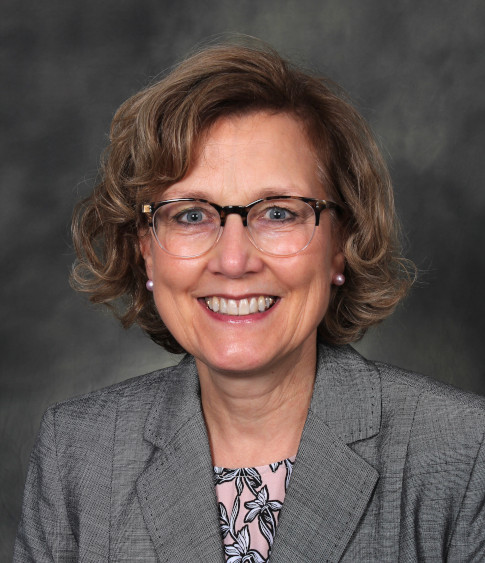
Janet Kinney
RDH, MS, MS
Dr. Dorothy G Hard Legacy Professor Emerita and Clinical Professor Emerita of Dentistry, Department of Periodontics and Oral Medicine, School of Dentistry, University of Michigan, USA

Janet Kinney, RDH, MS, MS is the Dr. Dorothy G Hard Legacy Professor Emerita and Clinical Professor Emerita of Dentistry, Department of Periodontics and Oral Medicine, School of Dentistry. She earned a Bachelor and a Master of Science degree in Dental Hygiene and an addition Master of Clinical Research Design and Statistical Analysis degree from the University of Michigan. She has been involved in clinical research studies focusing on salivary diagnostics for periodontitis disease progression, treatment options for peri-implantitis, and natural supplemental approaches to reducing halitosis. Her academic career includes teaching undergraduate and graduate students in didactic and clinical courses.
“Saliva: a diagnostic tool for overall health”
Saliva, commonly referred to as spit or slobber, has emerged as a biofluid which reflects oral and systemic health and disease. Its complex composition of molecules has shown promise in providing valuable information about various conditions such as autoimmune diseases, cardiovascular diseases, diabetes, HIV, oral cancer, caries, and periodontal diseases. Compared to other diagnostic measures (blood and tissue), saliva’s non-invasive collection method and ease of accessibility make it an appealing alternative to early disease detection. This session will present an overview of the diagnostic ability of saliva in the detection and surveillance of various oral and health conditions.
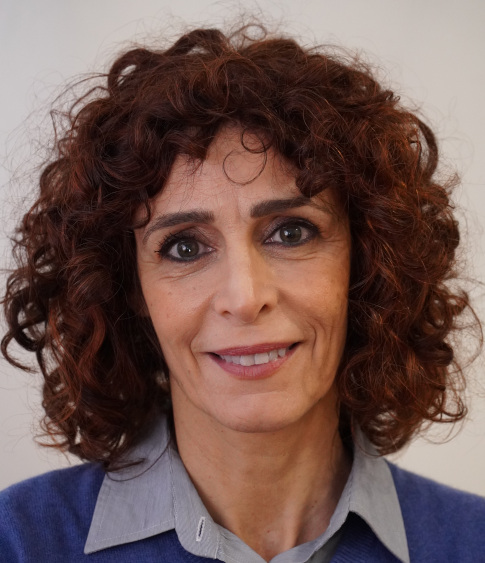
Scilla Sparabombe
RDH, MSc
Director of Professional Education in the Degree Course of Dental Hygiene
Teacher of Medical Technical Sciences in the Degree Course of Dental Hygiene
Faculty of Medicine, Università Politecnica delle Marche, Italy
Graduated in Dental Hygiene at the University of Siena in 2004, already graduated in Sociology at the University of Urbino, in 2006 she obtained the II level Postgraduate Degree in Prevention and health promotion and in 2009 the Master’s Degree in healthcare Professions and Technical Assistance Sciences.
Advanced training course in behaviour analysis and modification of people with intellectual disabilities (2005), in non-surgical periodontology at the School of Dental Medicine Department of Periodontics University of Buffalo (New York – 2005/06) and in Regulatory Medicine and Biophotonics at the University of Eastern Piedmont and at the National Research Council (CNR-Milano) from 2016 to 2024.
Already contract professor at the University of Medicine of Verona and Sassari from 1999 to 2007, she is currently Director of Professional Education and teacher of Medical Technical Sciences in the Degree Course of Dental Hygiene at the Politecnica University of Marche since 2008.
She worked as Dental Hygienist at Lega del Filo d’Oro, a care, education, rehabilitation and reintegration institute for people with severe multiple psychosensory disabilities and at the Surgical and Special Dentistry department of the Marche Hospital for 15 years.
She has been speaker at numerous national and international conferences, and teacher at professional development courses.
Publishes scientific articles in international indexed and impacted dental journals.
“Oral Health and smoking habits”
In recent years, alongside traditional combustible cigarettes, we have seen the spread of new nicotine delivery devices, such as e-cigarettes and heated tobacco products. Among young adults, there has been an increase in the use of multiple products, including a combination of them. These devices are often considered by consumers as “safer” alternatives but the evidence supporting this belief is still limited and not always unequivocal. The consequences of smoking also affect the oral cavity; it is considered one of the main risk factors for periodontitis.
Preliminary data are presented from a study investigating, on a population of young adults, the effects of these different devices on the periodontium through a precursor of the inflammatory state: the level of salivary oxidative stress. In addition to smoking, the redox balance within the oral cavity can be easily altered by other external factors including alcohol consumption and nutritional style, which the investigation extends to verify any correlations.
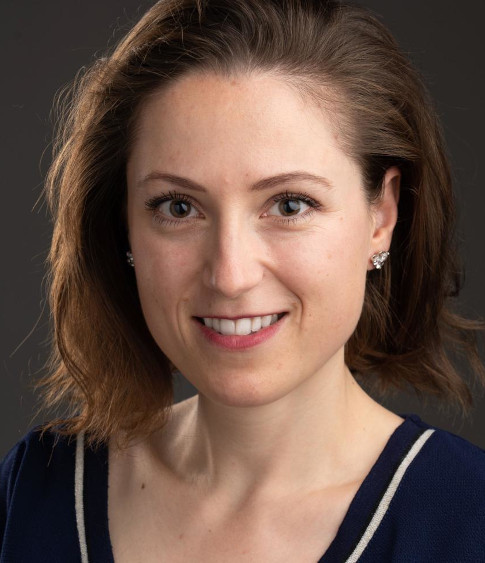
Marie-Laure Grandjean
Dental Hygienist, Clinic of General, Special Care and Geriatric Dentistry, Center of Dental Medicine, University of Zurich, Switzerland
Division of Gerodontology and Removable Prosthodontics, University of Geneva, Switzerland

A dental hygienist graduate from Geneva Higher School (2009), she currently practices at the University Dental Medicine Clinics of Geneva (2018) and Zurich (2019), specializing in oral health care for older adults and individuals with special needs.
Active in professional education, she developed local anesthesia training programs for dental hygienists (2017-2022). Holding a CAS in Health Management (2022) and pursuing a MAS in Public Health (University of Geneva, 2023-2026), her research focuses on preventive oral care strategies for institutionalized older adults.
Author of qualitative studies examining barriers to care and access to oral health services, she combines clinical expertise and public health research to develop evidence-based interventions for vulnerable populations.
“Preserving roots, sustaining life: clinical and preventive strategies in long-term care facilities”
Demographic aging has led to a growing population of Institutionalized older adults who retain an increasing number of natural teeth, thereby amplifying the burden of oral disease and the complexity of care. Caries prevention, particularly through fluoridation strategies aimed at preventing or arresting early carious lesions, represents a cornerstone of oral health maintenance in this vulnerable population. In long-term care settings, effective fluoridation contributes not only to disease prevention but also to the preservation of function and quality of life. This presentation will review evidence-based fluoridation strategies for the remineralisation of initial carious lesions and critically examine the Swiss context of access to preventive dental care in institutions, drawing on findings from qualitative research with Swiss healthcare professionals.
Marisa Roncati
BS, RDH, DDS
Adjunct Professor, Degree Program in Dentistry and Dental Prosthetics
University of Ferrara, Italy
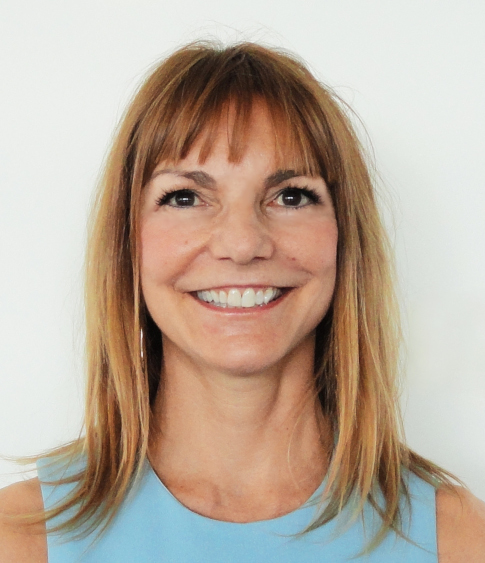
After teaching italian literature in high school, Marisa Roncati began her career in dentistry as a dental hygienist graduating from the Forsyth School, USA. She later earned her dental degree in Italy.
With over 35 years of clinical and academic experience, Marisa has achieved outstanding results treating periodontal and peri-implant diseases. Her work is documented in numerous evidence-based publications and textbooks translated into multiple languages.
She is internationally recognized as a leading expert in laser-assisted procedures.
Recently, she co-authored a book for the general public highlighting how oral care affects overall health and well-being, in an engaging and accessible style.
“Reframing Oral Care to enhance sistemic health”
Healthy aging is linked to good oral health, which is vital for overall well-being. Innovative home-care devices to support autonomy and assisted care will be introduced. Through impactful clinical cases, successful strategies for managing periodontitis and peri-implantitis in elderly patients will be demonstrated. A multidisciplinary, person-centred approach involving dental professionals, physicians, students, and caregivers will be discussed. The use of music and videos as a universal language to convey scientific concepts impacting overall health will be showcased. A book and a website targeting both the general population and clinicians, offering CEUs, will be presented, integrating science and education with music-based protocols.
Leonardo Trombelli
Full Professor and Chair, Periodontology, School of Dentistry, University of Ferrara. Research Centre for the Study of Periodontal and Peri-implant Diseases, University of Ferrara

Giulia Montemezzo
R.D.H. M.Sc. Ph.D.
Director of Professional Training Activities – Degree Program in Dental Hygiene – Department of Translational Medicine and Romagna – University of Ferrara, Italy.
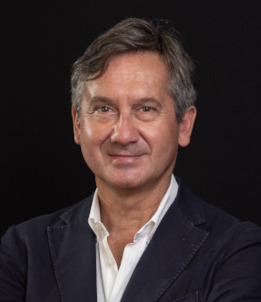
Full Professor and Chair, Periodontology, School of Dentistry, University of Ferrara. Director, Research Center for the Study of Periodontal and Peri-implant Diseases, University of Ferrara (1999-present). Assistant Professor at Advanced Education Program in Periodontics and Implant Surgery, Loma Linda University, Loma Linda, California (USA) (1995-2004). Director, Dental Clinic, University Hospital, Ferrara (2013-present). Director Primary Care Department, Azienda Sanitaria di Ferrara (2021-22). Dean, Dental Hygienist School, University of Ferrara (2002-2010). Dean, Dental School, University of Ferrara (2013-16). President, Medical School, University of Ferrara (2014-2016). Director, Post Graduate Program for Proficiency in Periodontology (2022-present). Coordinator of the Italian University Faculty in Periodontology for the Collegio Docenti di Odontostomatologia (2019-present). Member of the National Committee for the Scientific Abilitation of the Ministry of Education and Research (2017-2020). President of the Italian Society of Osseointegration (2007-2009). President elect, Italian Society of Periodontology and Implantology (2024-25). Editorial Board member for the Journal of Clinical Periodontology (2000-present), Journal of Dental Research (2018-present). He is co-author of 198 papers (PubMed database) with a H-index=49 (Scopus), 2 textbooks and 10 textbook chapters. He was actively involved in the formulation of the 2018 Classification of Periodontal and Peri-implant Diseases and Conditions as well as the recent Clinical Practice Guidelines for the treatment of Stage I-III periodontitis (2020), stage IV periodontitis (2022) and Peri-implant Diseases (2023). His private practice is limited to Periodontology and Oral Surgery.
Giulia Montemezzo, RDH, M.Sc. PhD, was born and raised in Ferrara. She holds a degree in Literature and a PhD in Literary Theory and Analysis, In addition to her humanities background, she earned a degree in Dental Hygiene, a Master’s degree in Coordination Functions for Healthcare Professions from the University of Ferrara and a M.Sc. in Technical Healthcare Professions Sciences from La Sapienza University of Rome.
Since 2011, she has been Director of Professional Teaching Activities for the Dental Hygiene Degree Course at the University of Ferrara and she is also a lecturer and clinical tutor for the Postgraduate Program for Proficiency in Periodontology at the University of Ferrara, under the guidance of Professor Leonardo Trombelli.
From 2021 she has been working full-time at the Operating Unit of Dentistry within the Ferrara Local Health Authority. Her primary focus is on the prevention of dental and periodontal diseases at both primary and secondary community levels. She’s also been the contact person for the Piano Libero 20 of the Regional Prevention Plan (2020-25) for the Primary Care Department of the Ferrara Local Health Authority. She is a trainer in Short Motivational Interviewing for the Ferrara Local Health Authority
Dr Montemezzo is also affiliated with the Research Center for the Study of Periodontal and Peri-implant Diseases at the University of Ferrara, is a member of the National Commission for Dental Hygiene Degree Courses and is affiliated with the Italian Society of Periodontology and Implantology.
“Is Gengivitis Suscetibility a True Risk Factor for Periodontitis? Reassessing a paradigm.”
The presentation will explore individual susceptibility to plaque-induced gingivitis and its relationship with the onset and progression of periodontitis. It will analyze the biological determinants and clinical parameters involved in early inflammatory changes of the gingival tissues. Special attention will be given to how individual variability in immune response, microbial composition, and behavioral factors influence the transition from reversible inflammation to irreversible attachment loss. The lecture will summarize recent clinical and experimental evidence and discuss the implications for risk-based prevention, professional maintenance, and patient education in adult populations.